
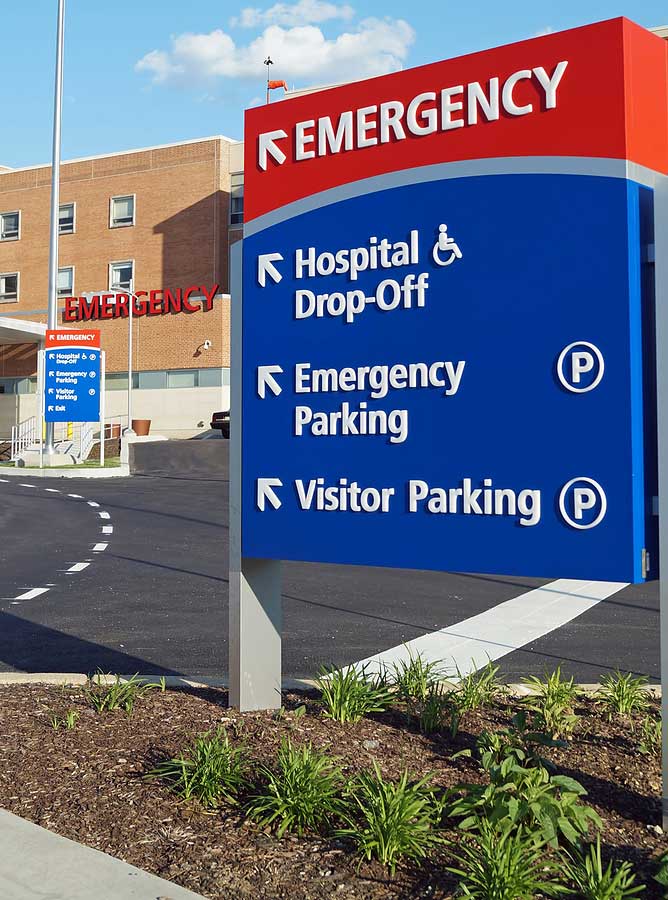
A sudden toothache often has a special talent for arriving at the worst possible moment, but not every dental problem requires a dramatic sprint to the hospital’s emergency room. Knowing where to go can save you time, money & unnecessary panic-induced spirals.
Dentist’s Domain: Painful but Not Life-Threatening
Most dental emergencies belong in your dentist’s chair, not under fluorescent ER lights next to someone with a broken arm & a mysterious rash.
Issues like persistent toothaches, chipped teeth, lost fillings, broken crowns, or mild swelling are usually best handled by a dentist. Dentists have the tools, X-rays, & treatment options needed to actually solve the problem—whether that’s a root canal, filling, crown repair, or extraction.
The ER, on the other hand, is generally focused on stabilizing urgent medical conditions. If the pain is severe, accompanied by swelling, fever, or difficulty swallowing, the situation moves into potential medical emergency territory. However, in many dental cases, the ER can only provide temporary pain relief or antibiotics until you see a dentist anyway.
If your pain is severe but you can still breathe, swallow, & function normally, call your dentist first. Many offices keep emergency appointment slots open specifically for these situations.
Bleeding: Depends on How Much
Some bleeding after flossing, dental work, or biting your cheek is common. It may be a little inconvenient but typically not life-threatening. For routine gum bleeding, bleeding around a tooth, or irritation from dental work, your dentist is usually the right call.
However, if your bleeding won’t stop after applying pressure for 10–15 minutes, that deserves urgent medical care. Significant mouth injuries can involve blood vessels, facial trauma, or deeper tissue damage that requires emergency treatment.
Knocked Out Teeth Countdown
A knocked-out permanent tooth is one of the few true race-against-the-clock dental emergencies.
If a tooth gets completely knocked out, pick it up by the crown (not the root), gently rinse it if dirty, & try to place it back in the socket. If that’s not possible, keep it moist in milk or saliva & contact a dentist immediately. Timing matters! The sooner you get professional care, the better the odds of saving the tooth.
In many cases, an emergency dentist is the best first stop. However, if you can’t reach a dentist quickly, the ER may be your next stop, especially if there’s additional facial trauma, bleeding, or concern for broken bones from whatever accident caused the tooth to be knocked out.
The ER Isn’t a Substitute for a Dentist
Most ERs are not equipped to provide definitive dental treatment. They can help manage pain, infection, or trauma temporarily, but they usually can’t perform fillings, crowns, root canals, or complex dental procedures.
If you go to the ER for a cavity or routine tooth pain, you’ll likely still need to see your dentist afterward. Starting with your dental office can often save you hours of time & expenses.
When in doubt, call your dentist first. If your symptoms involve breathing problems, spreading swelling, uncontrolled bleeding, high fever, or significant trauma, head to the ER immediately.
Sources
https://my.clevelandclinic.org/health/articles/11368–dental-emergencies-what-to-do
https://www.medicalnewstoday.com/articles/can-i-go-to-er-for-dental-pain
https://health.clevelandclinic.org/must-act-fast-tooth-gets-knocked